
Gi or No-Gi: Where Should You Start?
If you are thinking about starting Brazilian Jiu-Jitsu in Burlington, you will soon hear two words: gi and No-Gi. This guide to Gi vs No-Gi Jiu-Jitsu for beginners explains both styles in plain language, so you can choose with confidence.
Both styles share the same core ideas: control, smart positions and safe ways to make a partner tap, which simply means stop. At Gracie Barra Burlington, the planned adult and No-Gi programs are part of the lineup, and the adult program requires no prior experience.
DISCOVER Gracie Barra Burlington
CLICK HEREWhat Is the Difference Between Gi and No-Gi?
At first glance, the two styles can look like different sports. In reality, they come from the same roots. Comparing Gi vs No-Gi Jiu-Jitsu for beginners comes down to four simple things: clothing, grips, speed and the way each one makes you think.
What You Wear in a Gi Class
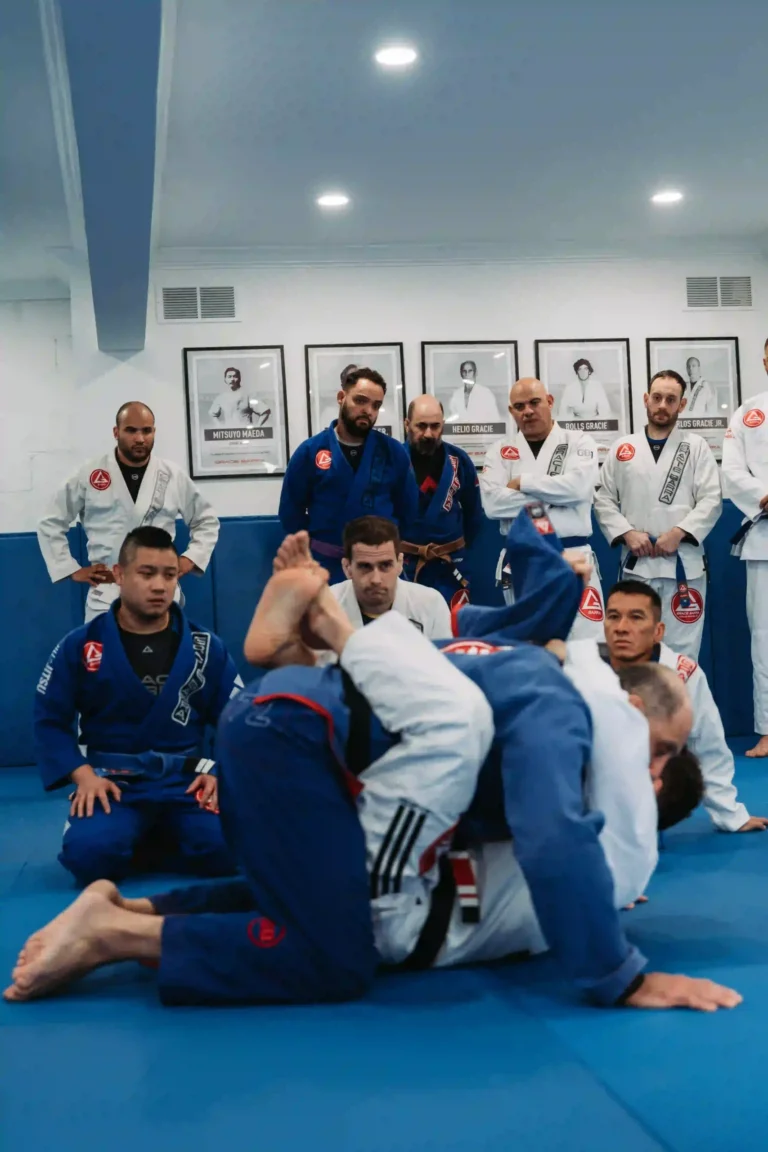
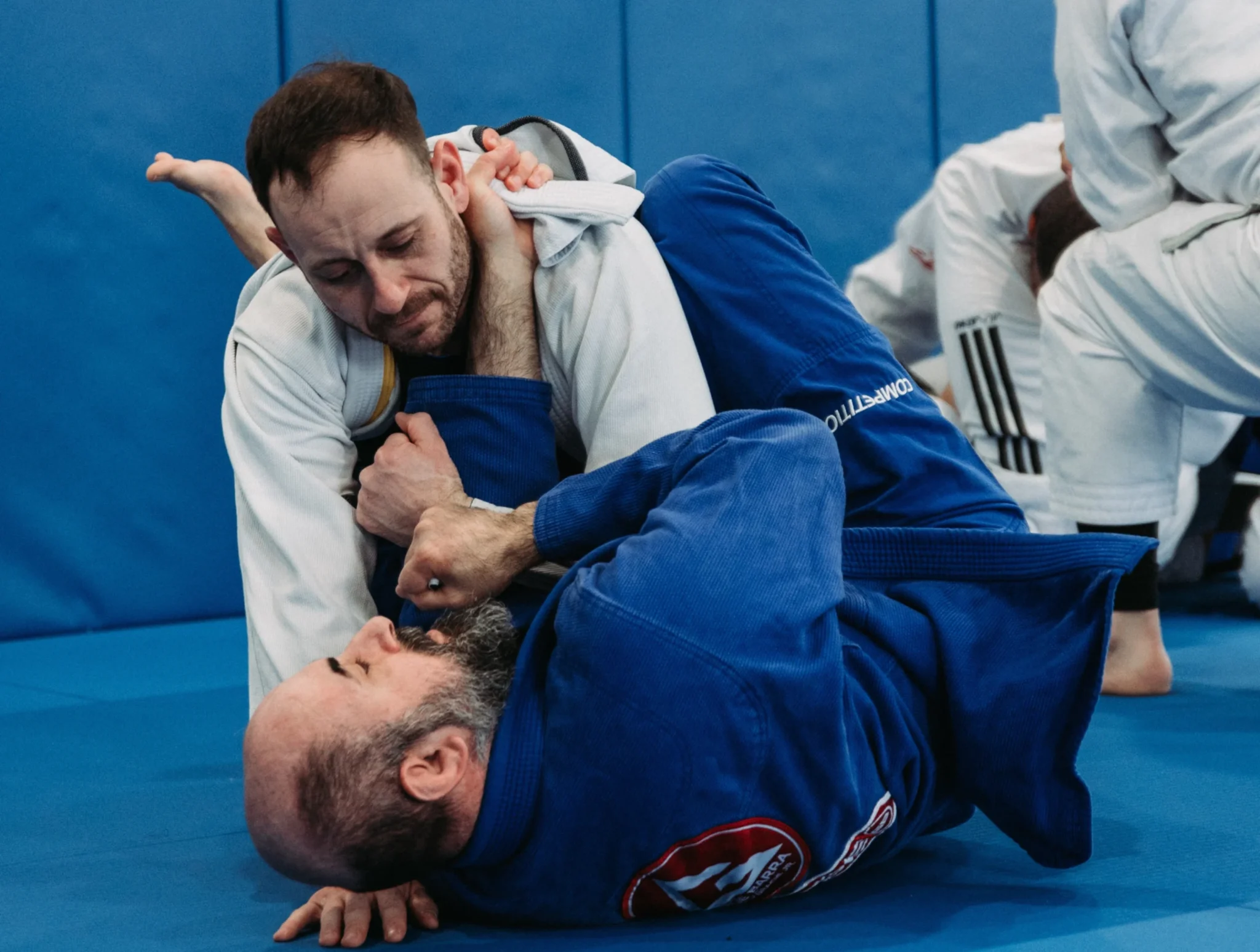
The gi is a thick cotton jacket and pants, tied at the waist with a belt that shows your rank. It looks a bit like a karate uniform, but it is made much stronger because partners pull on it during training.
Your belt color reflects your time and progress on the mat, not how tough you look. If you are curious about each step, our guide on how the belt system works explains it in simple terms.
What You Wear in a No-Gi Class
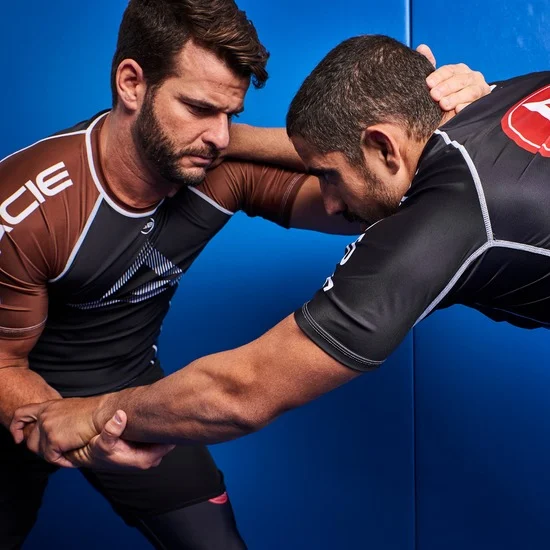
No-Gi training swaps the jacket for a rashguard, which is a tight, stretchy athletic shirt, plus shorts or spats, which are fitted leggings. The clothes are light, so you stay cooler and can move freely.
Because nothing is loose, your partner has very little fabric to grab. This one change shapes almost everything else you will notice, from the way people hold each other to how fast a round feels.
How Grips Change Everything
In the gi, you can hold the collar, the sleeves and the pants. These grips let you slow your partner down and control them with less strength, which many new students find helpful in their first weeks.
In No-Gi, you hold the wrists, arms, back of the neck and body instead. Holding on takes more effort, so you learn to use your whole body position rather than relying only on your hands.
Speed and Pace on the Mat
Gi rounds usually move slower. The fabric adds friction, so each step takes patience and planning. It feels a bit like a chess game, where every move needs a reason before you make it.
No-Gi rounds tend to move faster because bodies slide more easily, especially once everyone starts to sweat. Positions change quickly, and you learn to react in the moment instead of waiting for the perfect grip.
Gi vs No-Gi Jiu-Jitsu for Beginners: The Pros of Each
Neither style is better than the other. Each one teaches lessons the other can miss. Here is what new students usually enjoy about each option during their first months of training.
Why Many Coaches Suggest Starting in the Gi
Many coaches like beginners to start in the gi because the slower pace leaves time to think. You can feel each position, notice your mistakes and fix them before the round moves on.
The gi also rewards good technique over size and strength. When a smaller partner controls you with a single sleeve grip, you quickly see why careful movement matters more than muscle on the mat.
Why Some Beginners Enjoy No-Gi First
Some people feel more at home in No-Gi because the clothing looks like what they already wear at the gym. The faster rhythm can also feel more like a workout, which many adults enjoy.
If you like watching mixed martial arts, No-Gi will feel familiar, since fighters there do not wear jackets either. You learn to stay tight, keep your elbows close and move with good balance.
What Each Style Teaches About Self-Defense
The gi teaches you to deal with clothing, which matters in daily life. Jackets, hoodies and winter coats can all be grabbed, and gi training shows you how to stay calm and break those holds.
No-Gi prepares you for moments when there is nothing to hold, like a summer day in a T-shirt. Learning both gives you a fuller picture of how to protect yourself in different situations.
How to Choose the Right Style for You
The best choice depends on who you are and what you want from training. A few simple questions can point you in the right direction before you step on the mat for the first time.
Start With Your Goals
If your main goal is learning strong basics and self-defense, the gi is a great place to begin. If you mostly want fitness and a fast, sporty feel, No-Gi may keep you more motivated.
There is no wrong answer here. What matters most is showing up often. The style that makes you excited to come back next week is usually the right one for your first few months.
Kids and Teens: Which Style Fits Best?
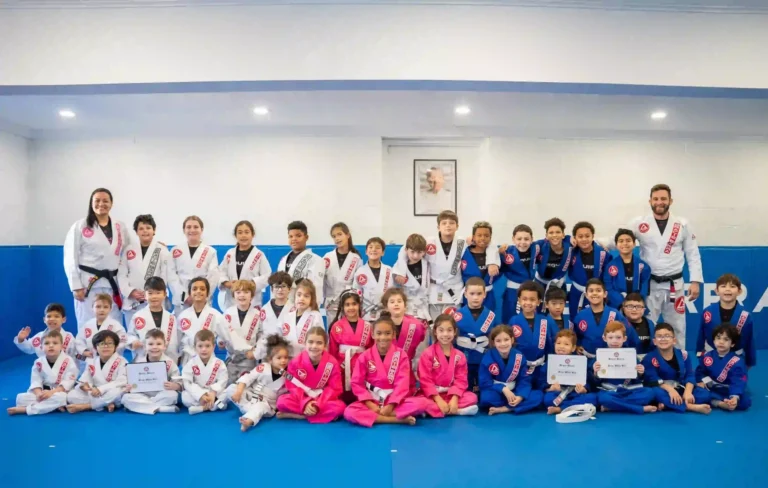
For children, the gi often works very well. The jacket gives small hands something easy to hold, and the slower pace helps kids focus on moving the right way instead of rushing.
As kids grow, many enjoy trying both styles and even testing their skills at local events. Parents can read about how jiu-jitsu competition for kids builds courage and focus under real pressure.
Why Training Both Pays Off Over Time
Over time, most students find that each style makes the other stronger. Gi training sharpens your control and patience, while No-Gi training builds speed, balance and quick reactions.
You do not need to pick one forever. Many people start with one style, then add the other once they feel comfortable with the basics. Both paths lead to the same core skills.
Simple Tips for Your First Classes
Whatever style you choose, keep your first weeks simple. Arrive a few minutes early, bring water, trim your nails and wash your gear after every class. Clean gear keeps you and your training partners healthy.
Go at your own pace and tap early whenever something feels uncomfortable. If you have questions about joining Gracie Barra Burlington, our page of common questions before joining covers the expected opening, membership and planned programs.
Putting It All Together
In short, the gi teaches patience and control through grips on clothing, while No-Gi builds speed and body awareness. When you look at Gi vs No-Gi Jiu-Jitsu for beginners, both are friendly places to start.
The most important step is the first one. With the new academy on Cambridge Street expected to open in January, local families will soon have a place to try both styles under one roof.

DISCOVER Gracie Barra Burlington
CLICK HEREFind Your Starting Point
Choosing between Gi vs No-Gi Jiu-Jitsu for beginners is less about finding the perfect style and more about getting started. Both teach real skills, build confidence and welcome people who have never trained before.
If you live in Burlington, Woburn, Wilmington or nearby areas like Pinehurst, we would love to meet you. Reach out to Gracie Barra Burlington to learn about the Founding Member offer before our expected January opening.